
Where to Find the Best Japanese Rice and How to Cook it
Advertisement
Japan's quest for the perfect rice
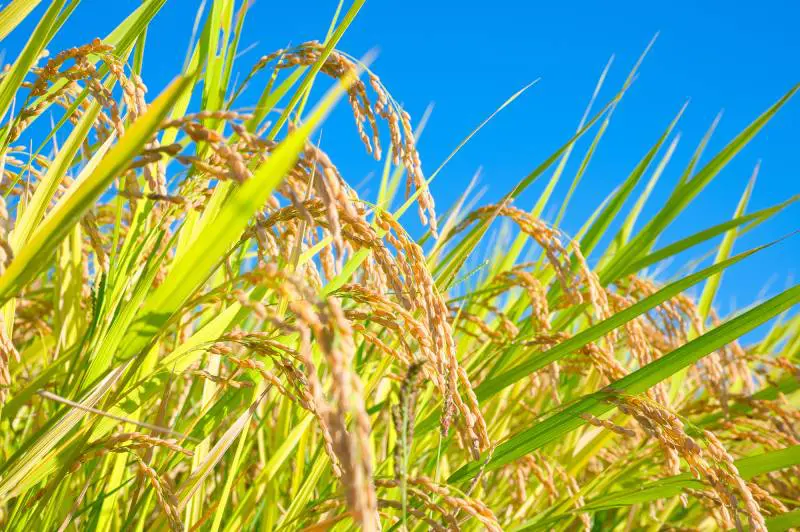
The Japanese take rice quality very seriously, continually improving traditional varieties. As of 2023, there are about 1,000 rice varieties, with around 320 used as staple foods, each with unique flavors and textures.
The Japan Grain Inspection Association conducts an annual "Rice Taste Ranking," evaluating appearance, aroma, taste, stickiness, and firmness, and measuring components like amylose, protein, fatty acids, and moisture. The highest-scoring rice earns the prestigious "Special A Grade," with rankings being highly competitive and varying yearly. Even the same rice variety can differ by production region.
8 best Japanese rice varieties
In 2023, the Japan Grain Association selected 43 "Special A Grade" rice varieties from 144 types, including several consistently top-rated varieties like Nanatsuboshi and Koshihikari. Read on for a detailed introduction to these exceptional rice varieties.
Hokkaido Prefecture: Nanatsuboshi
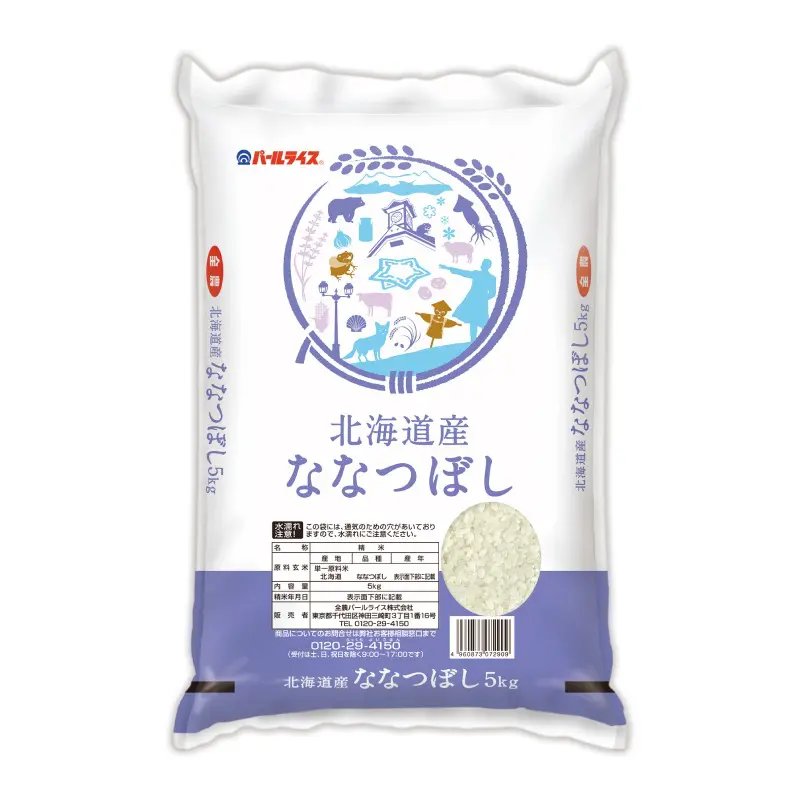
For 14 consecutive years, Hokkaido's Nanatsuboshi rice has earned the Special A Grade. Known for its perfect balance of sweetness and stickiness, this rice remains delicious even when cold, making it ideal for bento (boxed lunch) and sushi vinegar rice. As the most widely cultivated rice variety in Hokkaido, Nanatsuboshi enjoys a stellar reputation. July 2 is officially recognized as "Hokkaido Rice 'Nanatsuboshi' Day," symbolizing the enjoyment of this light and delicious rice even in the summer.
Niigata Prefecture: Koshihikari
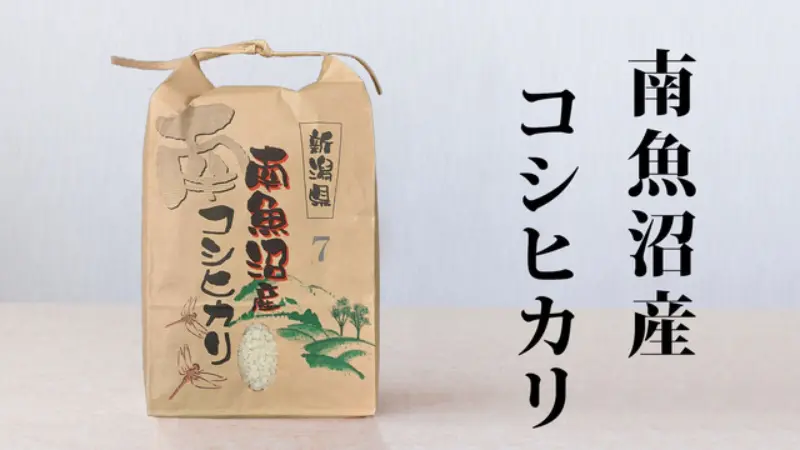
Koshihikari is a renowned rice variety known throughout Japan. It is cultivated nationwide, with Niigata Prefecture being the first to promote it as a premium variety. Koshihikari from various regions in Niigata frequently wins awards, with Uonuma City standing out due to its favorable climate conditions. The abundant snowmelt and significant temperature differences between day and night produce Koshihikari rice that is exceptionally chewy, flavorful, and sweet. For decades, it has consistently received the Special A Grade in the "Rice Taste Ranking."
Akita Prefecture: Akita Komachi
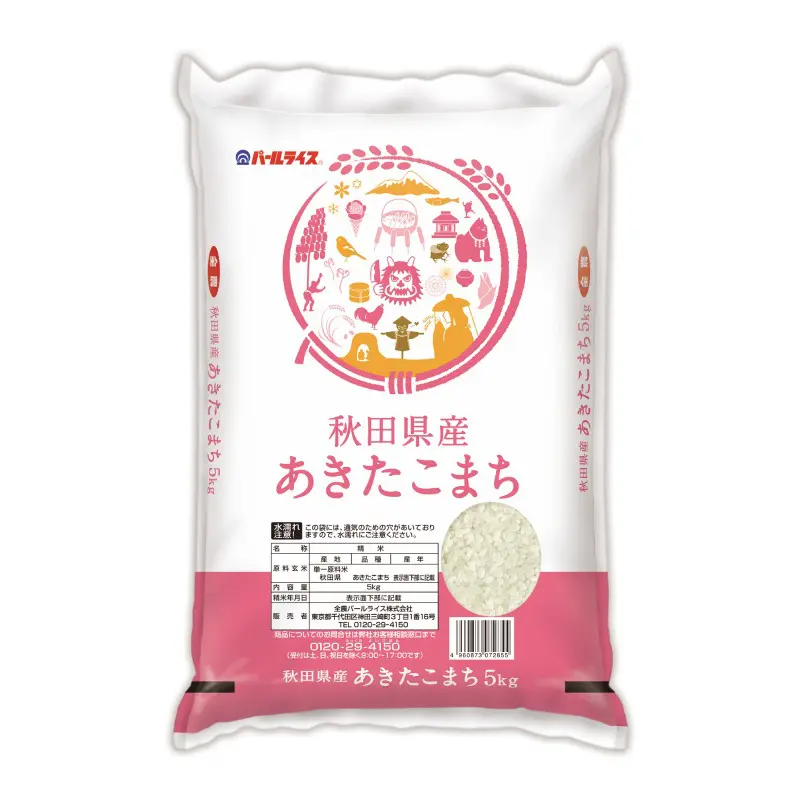
Akita Komachi rice is a variety developed independently by the Akita Prefectural Government over five years, named after the famous Heian-period beauty Ono no Komachi. It has received the Special A Grade multiple times in the past and returned to this prestigious rank in 2023. Compared to the softness of Koshihikari, Akita Komachi has a firmer texture and retains its flavor even when cooled, making it popular in the food industry. For example, the beef bowl chain Matsuya widely promotes its use of Akita Komachi rice as a major selling point.
Aomori Prefecture: Seiten no Hekireki
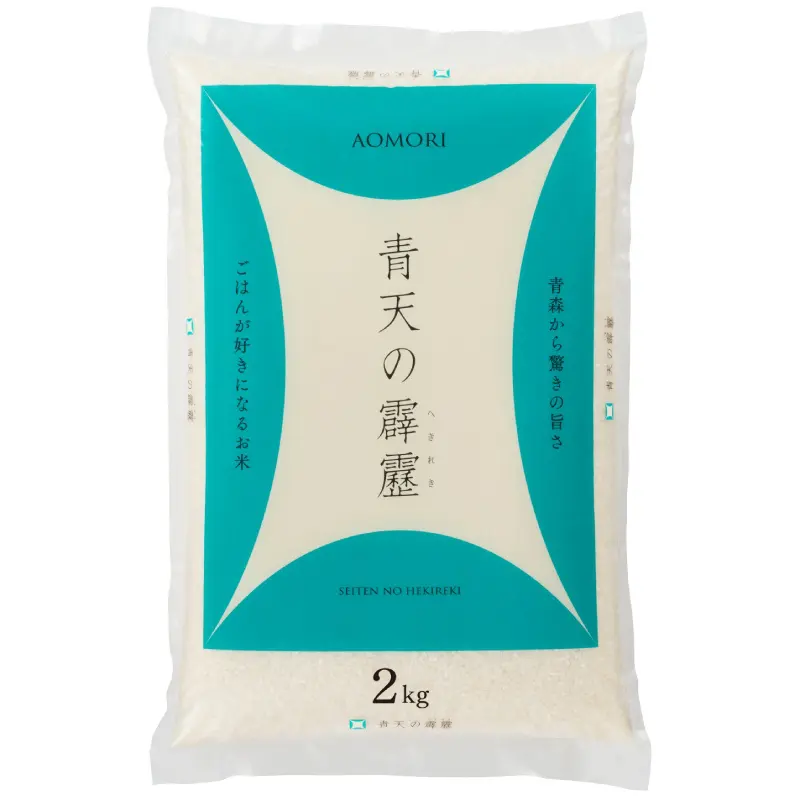
Aomori Prefecture's Seiten no Hekireki rice refers to the vast blue sky (seiten) of the region, and the grain’s striking impact, symbolized by hekireki, meaning "thunderbolt" in English. Seiten no Hekireki rice grains are slightly larger, and their moderate firmness ensures they stay intact even when kept warm in a pot. Its elegant sweetness is particularly appealing. Since its debut in 2015, it has consistently received the Special A Grade award, maintaining its high reputation.
Yamagata Prefecture: Tsuyahime
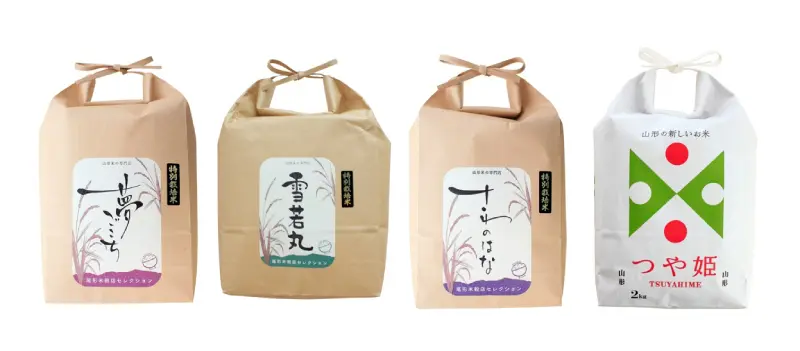
Developed over ten years with the collective effort of Yamagata Prefecture, Tsuyahime is named for its glossy, shiny appearance when cooked. Compared to Niigata’s Koshihikari, Tsuyahime rice grains are uniform, white, and have a sweet and savory flavor. Known for its exceptional appearance and taste, Tsuyahime also features an attractive, more traditional packaging design, making it a popular brand in Japanese supermarkets.
Tochigi Prefecture: Tochigi no Hoshi
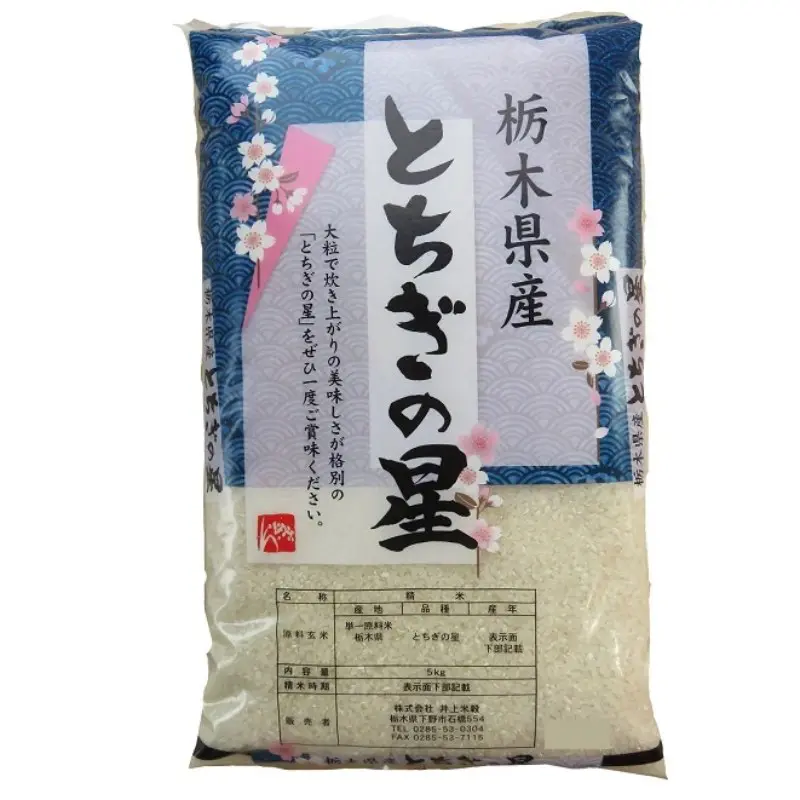
Tochigi Prefecture's fertile land and mineral-rich water sources, coupled with abundant sunlight that ranks among Japan's best, contribute to the sweetness of its rice. Tochigi no Hoshi is known for its strong resilience to summer heat and damage by insects, earning high praise for its quality and flavor.
In 2019, during the enthronement ceremony of Japan’s current emperor, Tochigi no Hoshi rice was offered to the imperial family.
Saga Prefecture: Saga Biyori
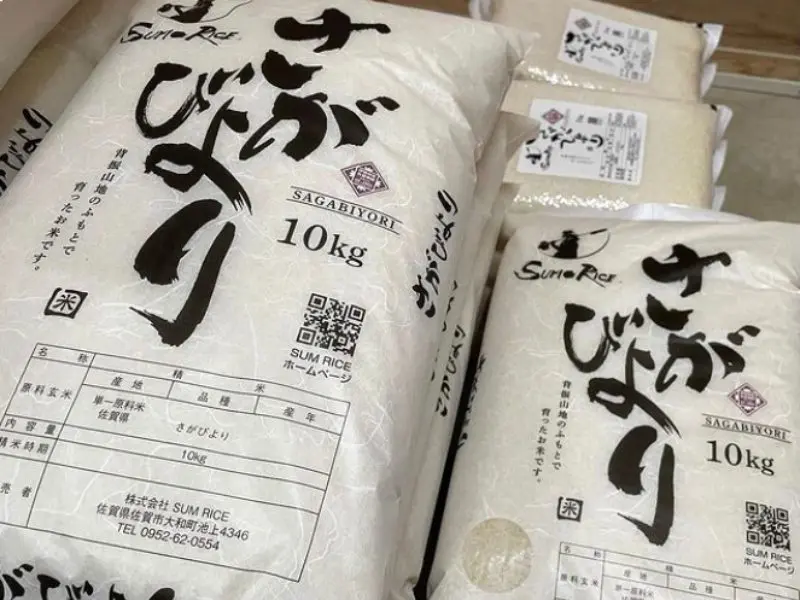
Aside from its stunning landscapes, Saga Prefecture boasts a highly regarded white rice called Saga Biyori. Similar to Hokkaido's Nanatsuboshi, it has consistently earned the prestigious Special A Grade rating for 14 consecutive years. Known for its chewy texture and sweet flavor, it's definitely worth trying when you visit Japan.
Kochi Prefecture: Shimanto Gensen Nikomaru

In Kochi Prefecture, rice cultivated around Shimanto Town is known as "Niida-mai." Along the picturesque Shimanto River, a group of dedicated producers gathers, emphasizing environmental sustainability by reducing chemical pesticide usage. Known for its soft, refreshing texture, enduring luster, and ample sweetness, it stands out as a distinctive choice.
How to cook tasty, fluffy rice
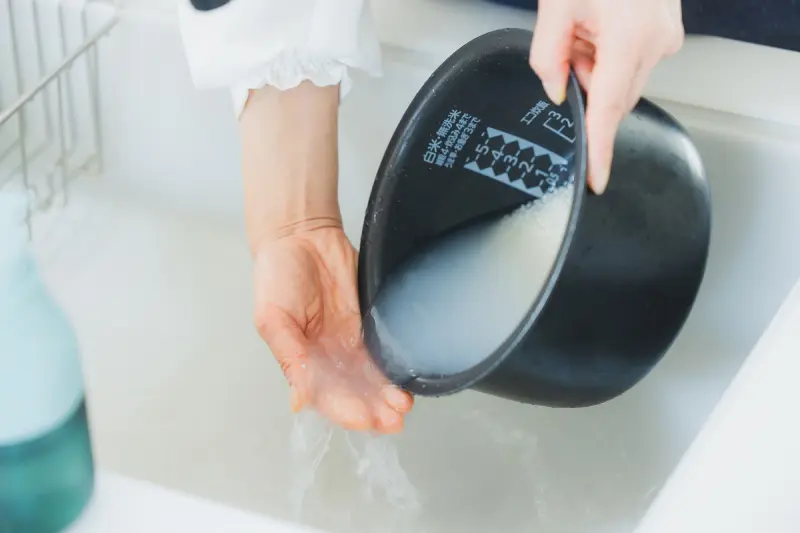
- Use cold water to rinse: Washing rice with warm or hot water can cause the surface to become sticky and the center to harden, leading to loss of sweetness. Even in cold weather, remember to rinse rice with cold water.
- Gently wash with hands: White rice absorbs water easily, so wash gently and swiftly. Washing too long can result in absorbing unwanted flavors from the bran. Typically, rinse about three times until the water becomes somewhat clear.
- Golden ratio 1:1.2: After draining the rinsing water, add clean water in a ratio of about 1.2 times the amount of rice. Adjust according to personal taste preferences.
- Proper soaking: To ensure soft and delicious rice after cooking, soaking time is crucial. In summer, soak for at least 30 minutes; in winter, ideally soak for at least 1 hour.
- Let it rest for 10 minutes: After cooking, let the rice sit for about 10 minutes (many rice cookers include a resting step.) Use a rice spoon to gently stir and fluff the rice to avoid crushing the grains.
Storing your rice
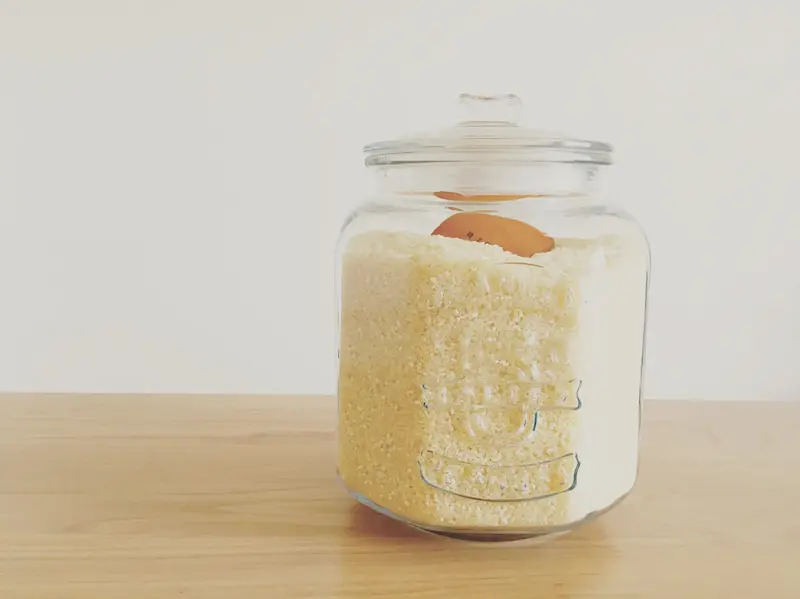
Here are some tips on how to properly store white rice, according to Japanese experts:
- Store in airtight containers: White rice easily absorbs odors from other foods, so it's best to store it in an airtight container.
- Avoid high temperatures and humid environments: Keep rice away from direct sunlight and humid places to prevent mold or pests. In hot climates, storing rice in the vegetable compartment of the refrigerator is also recommended.
- Keep containers clean: Before adding new rice, ensure the storage container is clean and dry. Maintaining cleanliness helps prevent the growth of rice pests.
- Keep away from strong odors: Avoid placing cleaning agents or strongly scented items near the rice. Also, refrain from storing rice under the sink, as these can affect the rice's flavor.
- Consume promptly: Whether opened or unopened, it's advisable to consume white rice within one to two months. During hot summers, it's especially important to consume it promptly.
Where to buy Japanese rice
When traveling in Japan and looking to purchase white rice, consider visiting local supermarkets or specialized rice stores where you can find rice from renowned regions or locally grown varieties.
In major cities like Tokyo, Nagoya, or Osaka, visit the chain rice store Akomeya (in Japanese only) located within department stores. Here, you can choose from a variety of famous rice brands from across Japan, often available in small, convenient packaging sizes suitable for two servings.
Additionally, Akomeya offers high-quality seasonings, kitchen tools, and other items that enhance the Japanese culinary experience. It's a great way to bring a taste of the Japanese lifestyle back home.
Elevate your rice with these condiments
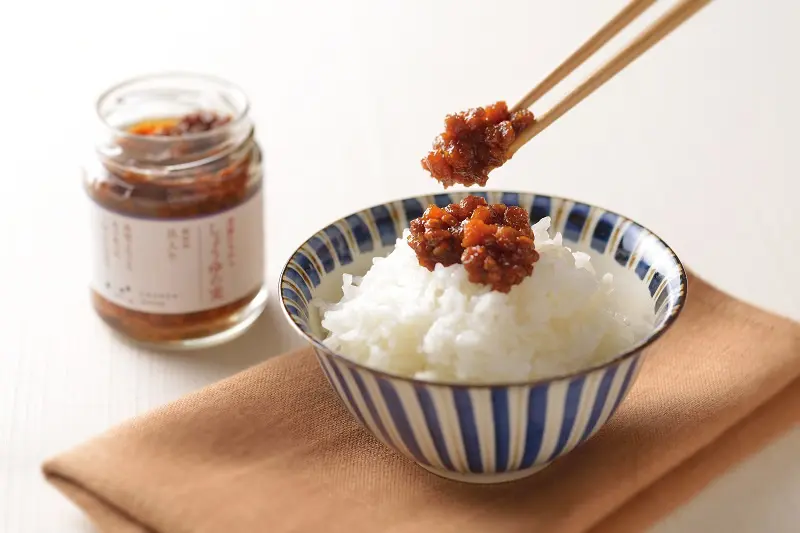
Alongside fragrant white rice, don't forget to bring home Cocoro Dining's delicious 2-Condiment Gift Set, featuring Crispy Soy Sauce Almond Seasoning and Soy Sauce Seasoning, perfect companions to enhance the sweetness and flavor of your rice with great side dishes.
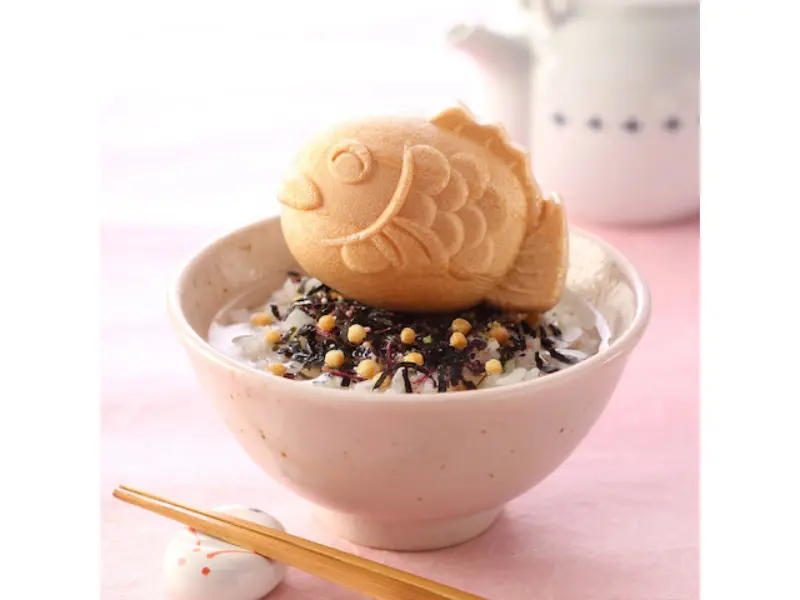
For those who prefer a light taste, Chikiri's Monaka Chazuke is recommended. These adorable koi fish-shaped monaka wafers can be placed on top of white rice, and by adding hot water, they transform into a delightful tea-flavored rice dish.
Aside from these two products above, you can find a large variety of souvenirs at tax-free prices on WAmazing Shop. From essential Japanese foods to snacks and sweets, everything can be picked up at designated airports or locations, streamlining the shopping experience and saving time and effort during the journey.
Explore Japan by using one of the many different transportation passes.
*The information in this article, such as prices and business hours, was accurate at the time of publication but is subject to change. Please refer to the official website(s) for the latest information.